Tuesday, April 7, 2015

Make Your Own Tinctures - What Is It?

We hope you had an amazing weekend!  Ready to get back to work?  Back out to the garden?  If you've ever thought about making your own remedies, Tinctures are a great place to start.


Mary's Heirloom Seeds Newsletter
DIY Tincture Kits                    Herbal Home Remedies
In This Issue
Quick Links
Make Your Own!
DIY Tincture Kits

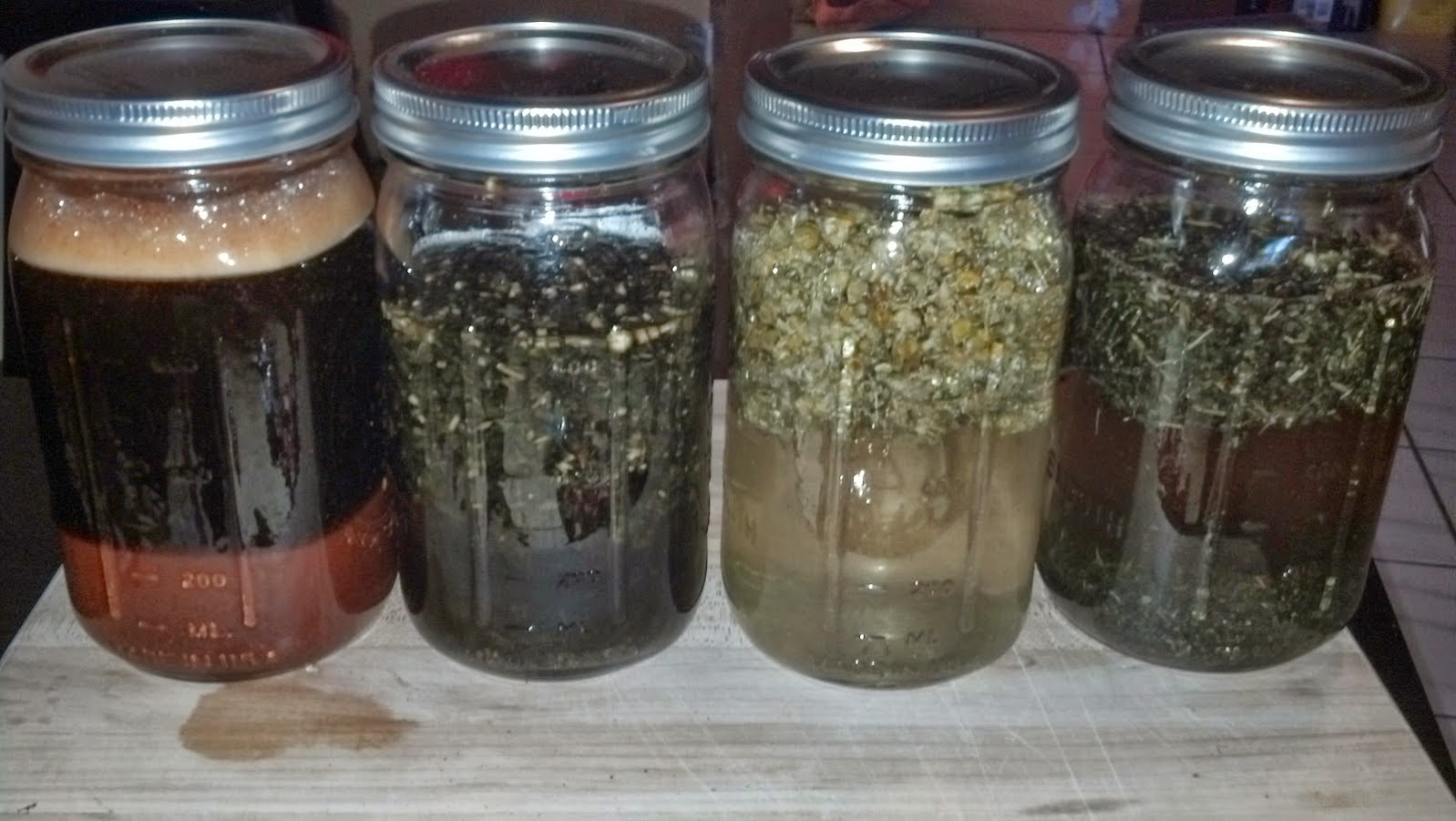
DIY Chamomile Tincture Kit


ADDITIONAL TINCTURE KIT varieties:

"Soother"


Additional HERBS are available at

Place your order online OR over the phone.

Mary's Heirloom Seeds

(954) 654-3501

Most orders place Monday thru Thursday ship within 24 hours, except for holidays


Join Our Mailing List
After a recent post on facebook about our new Organic Ginger Tincture Kit, we had so many inquiries I thought it best to share with everyone.

What is a Tincture?
An herbal tincture is simply an herbal extract.  Herbal remedies have been used throughout history to treat illnesses and ailments.  We use Tinctures for overall wellness!  Tinctures are easy to make, home remedies.  If properly prepared and stored, your tincture will last indefinitely.

Have you given any thought to making your own herbal home remedies? 

"Tincture Kits" purchased Monday-Thursday ship within 48 hours via USPS Priority Mail. 
Tincture kits include:
 
1 - 32 ounce Glass Jar with lid, 1 - 2 ounce Amber Bottle with dropper top,  2 customizable labels,
1 ounce of Organic Herbs (additional herbs available)
and Detailed Instructions


Ginger (Zingiber officinale) has scientific backing as an anti-nausea agent. It may offer other benefits to those stricken with infections diarrhea. Alcohol extracts of ginger are active against bacteria that infect the intestinal tract (Salmonella typhimurium, Escherichia coli, Vibrio cholerae Pseudomonas aeruginosa, Helicobacter pylori), skin and other soft tissues (Staphylococcus aureus), and respiratory tract (Streptococcus pyogenes, Streptococcus pneumoniae, Haemophilus influenzae).  
NOTE: These claims have not been substantiated by the FDA and are not intended as medical advice
           Continue Reading 


In Ayurvedic medicine, Holy Basil is used as a tea or a tincture. Among its many medicinal uses are lowering cholesterol, as an immune booster, and lowering blood glucose levels.

"One of the primary medicinal uses for basil is for its anti-inflammatory properties. This effect stems from eugenol, a volatile oil in basil that blocks enzymes in the body that cause swelling, making basil an ideal treatment for people with arthritis. Basil, especially as an extract or oil, is known to have exceptionally powerful antioxidant properties"
NOTE: These claims have not been substantiated by the FDA and are not intended as medical advice
           Continue Reading 

The word "feverfew" derives from the Latin word febrifugia, meaning "fever reducer."
Feverfew is used most often today to treat migraine headaches. [UMM]
Feverfew has also be used for Asthma, Arthritis, Psoriasis, digestion and Menstrual cramps.                Continue Reading
NOTE: These claims have not been substantiated by the FDA and are not intended as medical advice


Helpful link:  Homemade Feverfew Tincture 


Chamomile is an herb that comes from a flowering plant from the daisy family. Both the fresh and dried flowers of chamomile have been used to create teas for centuries to cure a number of health problems. The active ingredient in chamomile essential oil is known as bisabolol, which has a number of anti-irritant, anti-inflammatory, and anti-microbial properties.

What are the Benefits of Chamomile?
Chamomile can be used topically or orally to treat a number of everyday ailments, such as:
Insomnia and other sleep disorders
Anxiety and Panic Attacks
Muscle twitches
Wounds, burns, and scrapes
Skin conditions such as psoriasis, eczema, chickenpox, and diaper rash
Stomach problems such as menstrual cramps, stomach flu, and ulcers.             Continue Reading 


Cayenne Pepper is a nightshade vegetable.  While adding a little (or a lot) of hot and spicy to any dish, cayenne pepper can also be very therapeutic.  Cayenne pepper contains capsaicin which can open up your sinuses, fight inflammation, cardiovascular support, helps with ulcers, boosts immune system and metabolism.

THIS is what got my attention:  "Cayenne pepper's bright red color signals its high content of beta-carotene or pro-vitamin A. Just two teaspoons of cayenne pepper provide 47% of the daily value for vitamin A. Often called the anti-infection vitamin, vitamin A is essential for healthy epithelial tissues including the mucous membranes that line the nasal passages, lungs, intestinal tract and urinary tract and serve as the body's first line of defense against invading pathogens."        Continue Reading 
What do you think?  Are you ready to get started?

We are happy to continue to provide growing knowledge for you, your family and friends.

Sincerely, 
Mary                                    Like us on Facebook


If you have additional questions, please feel free to ask!

Sign up for our E-Newsletter


Sunday, April 5, 2015

SOIL: Dieases, Remedies and Nutrients

Happy Sunday and Happy Planting Friends!


Mary's Heirloom Seeds
Quick Links
Join Our List
INFO
April 1, 2015

I'd love to assure you that all you need are our amazing heirloom seeds with their spectacular germination rates.  But the truth is, soil is also important for maximum production and a healthy harvest for years to come.Let's talk Soil!

SOIL Health and Nutrients  


We recently shared an article about
Plant Disease: How to Avoid and Cure Disease

This is a great article if you have had crop failures in the past.

Within your soil are beneficial microbes and essential nutrients. Some soil is more fertile than others which is why we use soil amendments.

If you have access to homemade compost or manure then you're well on your way to healthy, fertile soil.  Not everyone has those things at the fingertips so amendments are important.  You don't want to overuse fertilizers but you also need to give back to your soil what your plants are taking in order to have balance.

First, we'll start with the basics: N-P-K
That stands for Nitrogen (N), Phosphorous (P), Potassium (K)
  
What does each nutrient do? In addition to other properties, Nitrogen helps plant foliage to grow strong. Phosphorous helps roots and flowers grow and develop. Potassium (Potash) is important for overall plant health.
  
Derived from leguminous perennial alfalfa plant used for pasture and cover crop. Primary benefit of this pleasant smelling meal is increasing organic matter, although it is also a valuable plant-derived fertilizer. 
  • NPK analysis is 2.8-0.29-2.4
  • Contains trace minerals and triaconatol
  • Excellent addition to the compost pile for nitrogen content and absorbency
  • Roses respond especially well to alfalfa meal
  • WSDA Certified Organic Alfalfa Meal

Organic Blood Meal 12-0-0

Blood Meal is a 100% natural fertilizer that's extremely rich in nitrogen. Provides a consistent source of minerals and nutrients for plants considered "heavy feeders."
Keep your plant soil healthy with this nitrogen rich fertilizer
Depending upon the crops you grow, soil that has been too often planted can start to lose its growing potential. Over time, the minerals and nutrients that plants need to grow and stay healthy become depleted. Blood meal helps restore these lost nutrients and revitalize depleted gardening beds.
Blood meal is an all natural powdered fertilizer that contains one of the highest, non-synthetic nitrogen counts (12-0-0) available.
Continue Reading


How can you tell if your garden has a phosphorus deficiency? The easiest way to tell is to look at the plants. If your plants are small, are producing little or no flowers and have a bright green or purplish cast to them, you have a phosphorus deficiency. Since most plants in the garden are grown for their flowers or fruit, replacing phosphorus in the soil if it is lacking is very important.
Phosphorus is involved in many plant processes, including:
  • Energy transfer reactions
  • Development of reproductive structures
  • Crop maturity
  • Root growth
  • Protein synthesis

  
  • Give Plants the Vital Minerals They need to Thrive
  • Great soil additive for all plants
Azomite rock dust is a naturally mined volcanic rock composed of over 70 minerals and trace elements that are essential for optimal plant health. The rock formation in Utah from which Azomite is mined was formed when volcanic ash merged with sea water an estimated 30 million years ago. This mixture of volcanic ash and sea water created a unique source of trace minerals and elements that moist soils are void of. Just like humans, plants require many minerals to reach peak health and vigor. Re-minerlaize your soil with Azomite and your plants will thank you and reward you!
  
  • Greensand is a mined mineral rich in soil conditioning glauconite
  • Contains potash and other minerals from natural marine deposits
  • Excellent soil conditioner
  • Carrying a formulation of 0-0-0.1
Greensand turns dense, heavy clay into manageable soil. Greensand is a naturally-occurring iron-potassium silicate that can increase soil's moisture absorption by up to ten times. Also contains over 30 trace minerals


I'm calling this APRIL MADNESS!
  
SALE on Organic Plant Food!

NOW thru April 10th, Save on 1 pound options of both Greensand and  


Save even MORE on 2 pound options!


HELPFUL LINKS:


If you have additional questions please feel free to ask.  We usually reply to emails within a few hours. 
Thank you and have a wonderful weekend!

Happy Planting,


If you have additional questions, please feel free to ask!

HAPPY PLANTING! 
 
http://www.facebook.com/pages/Marys-Heirloom-Seeds/229833070442449

Sign up for our E-Newsletter


Thursday, April 2, 2015

REAL FOOD Friday #82

Hello and Welcome to REAL Food Friday!
I'd like to thank all of the conscious bloggers who followed the guidelines and 
shared REAL FOOD recipes and organic gardening and posts. Thank you for sharing!

Please take a moment to read the guidelines below if you are unsure about what is considered "junk food" verses "Real Food."


Did you see my #realfoodchallenge article?
JOIN ME!

Would you like to join one of our link-ups? We have openings for 
Tuesdays with a Twist and REAL Food Friday!
Send me an email to mari_backtonature@yahoo.com

On to the PARTY!  We're your hosts
Please welcome our newest co-host, Danielle @ Homestead McCoy
Marla @ Organic4 Greenlivings 
Heather @ Cook It Up Paleo 
Joyce @ It's Your Life 
me...Mary @ Back to the Basics and Mary's Kitchen  

Please take a moment and follow your co-hosts on FB, Twitter, Bloglovin and/or Pinterest.  We appreciate it! 

Mary’s Kitchen  
If you're interested in co-hosting let us know! 
You can email Mary at mari_backtonature@yahoo.com

In case you missed "What is Real Food" here's a recap...
I know "Real" food may not seem like as much fun as the sugary, chemically, DIY recipes out there on the internet.  This is why REAL Food Friday is so unique.  This is the place to share your unprocessed, gmo-free, locally grown and/or fair trade posts. Here's a great reference from Food Myths.
 We are trying to make a difference 1 recipe at a time!

If your post includes items like *margarine, *granulated sugar, *food dye, packaged baking mixed with ingredients that you cannot pronounce (betty crocker, duncan hines, pillsbury, bisquik, general mills) then it WILL be deleted.


Time to link up your Real Food posts!  
The party runs from Thursday at 7pm EST through Monday at Noon.
Please follow your hosts and consider adding the Real Food Friday button.



